



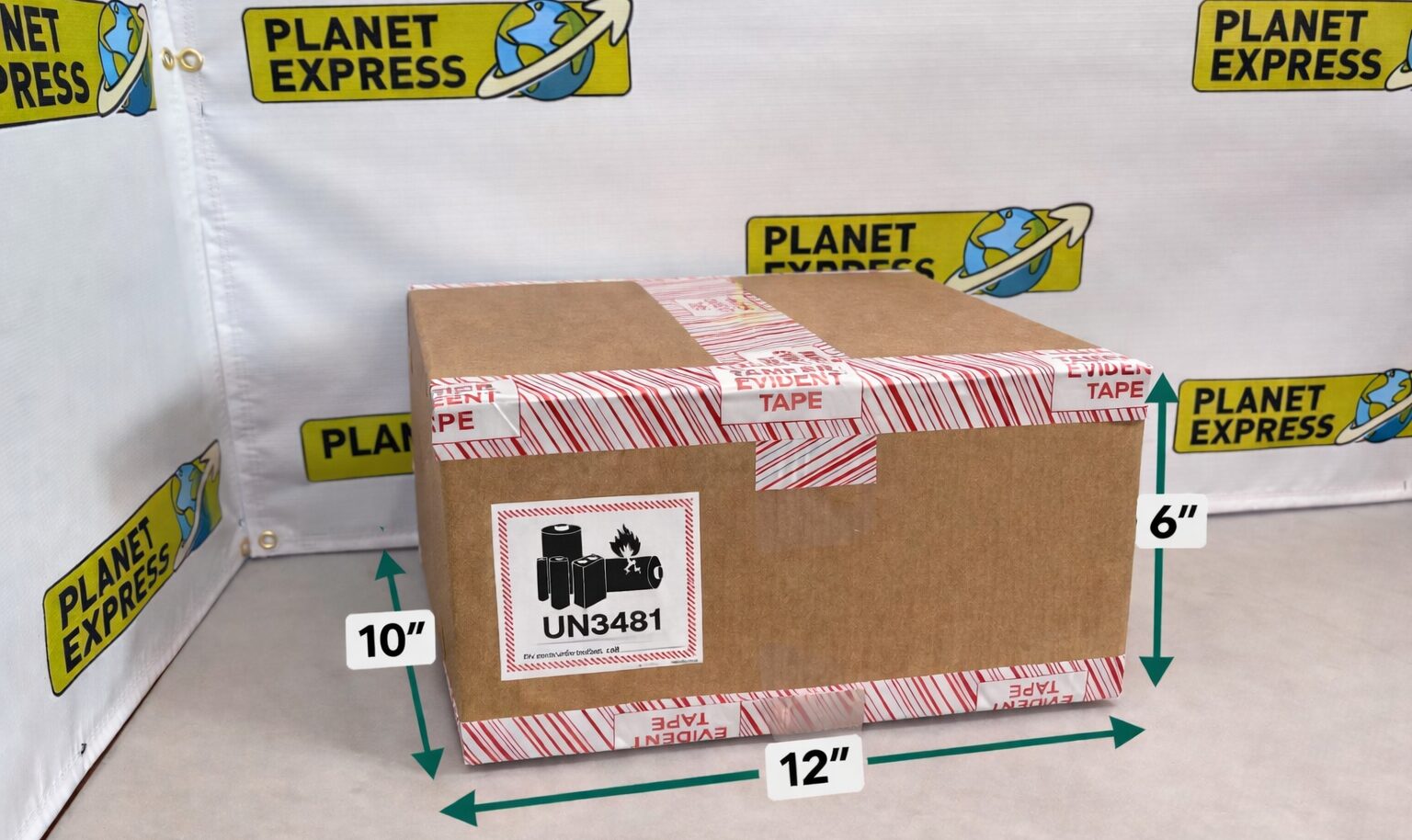
If you’ve ever wondered why your international shipping cost is higher than expected, the answer is often dimensional weight (DIM weight).
At Planet Express, dimensional weight charges are one of the most common surprises for customers shopping from U.S. retailers. Lightweight but bulky items — like shoes, jackets, toys, pillows, and electronics in oversized retail packaging — often cost more to ship than customers anticipate.
In this guide, we’ll explain:
- What dimensional weight is
- How dimensional weight is calculated
- Why it increases international shipping costs
- How to reduce dimensional weight and lower your shipping cost
📦 What Is Dimensional Weight?
Dimensional weight (DIM weight) is a pricing method used by major carriers such as FedEx, DHL, and USPS. Instead of charging based only on actual weight, carriers charge based on whichever is greater:
- Actual weight (the physical weight of the package), or
- Dimensional weight (the amount of space the package occupies)
Because aircraft cargo space is limited, a large lightweight box costs carriers more space — even if it doesn’t weigh much.
📐 How Is Dimensional Weight Calculated?
The standard dimensional weight formula for most international shipments is:
Length × Width × Height ÷ 139
You can easily calculate it using our Dimensional Weight Calculator.
If your package is large but light, you will be charged based on size — not actual weight.
🚨 Why Dimensional Weight Matters for International Shipping
Many U.S. retailers ship items in:
- Oversized retail boxes
- Extra protective packaging
- Air-filled padding
- Multiple individual shipping cartons
Even if your items weigh only 4–5 lbs, they may ship as a 12–15 lb dimensional weight package.
For international shipments, this difference can significantly increase your shipping cost.
💡 How to Reduce Dimensional Weight and Lower Shipping Costs
The good news? You’re not stuck with the original shipping package. We offer several services specifically designed to lower dimensional weight and reduce your overall shipping cost.
🔄 1. Package Consolidation
If you order from multiple U.S. stores, we can:
- Combine multiple packages into one shipment
- Remove unnecessary outer cartons
- Repack items efficiently
- Minimize empty space
This reduces:
- The number of shipments
- Total dimensional weight
- Carrier shipping costs
Instead of paying for three separate boxes, you pay for one optimized shipment.
Result: Lower international shipping costs.
📦 2. Repacking Into Smaller Shipping Boxes
Retail shipping boxes are often much larger than necessary.
We can:
- Remove oversized cartons
- Repack items into properly sized boxes
- Reduce unused air space
- Maintain safe packaging for protection
This is especially effective for:
- Shoes
- Clothing
- Supplements
- Toys
- Small electronics
- Beauty products
Even reducing box dimensions by just 2–3 inches per side can significantly lower dimensional weight charges.
✈️ Why Carriers Use Dimensional Weight Pricing
Air cargo space is limited. A bulky 8 lb package may occupy the same aircraft space as a 35 lb package.
That is why carriers apply dimensional pricing — especially on international shipments.
It is not just about weight. It is about space.
📊 Real Example: How DIM Weight Impacts Your Shipping Bill
Let’s say you purchase:
- 3 pairs of shoes
- 2 lightweight jackets
Actual weight: 8 lbs
Original box size: 20″ × 16″ × 16″
Dimensional weight: ~37 lbs
You would be charged for 37 lbs — not 8 lbs.
After consolidation and repacking into a tighter box (16″ × 12″ × 10″): New dimensional weight: ~14 lbs
That difference can mean substantial savings on international shipping.
🛒 Pro Tips to Lower International Shipping Costs
When shopping from U.S. retailers:
- Wait until multiple packages arrive before shipping
- Use consolidation services before submitting your mailout
- Consider removing unnecessary retail packaging
Strategic use of consolidation and repacking can reduce shipping costs significantly over time.